Nissan 350Z · Z33
Nissan 350Z: a proper sports car without the big-car budget
The 350Z puts a naturally aspirated V6, rear-wheel drive and two seats into a simple package. The important question is which version—and how it has been treated.
4 min read · Updated 2026-10-12
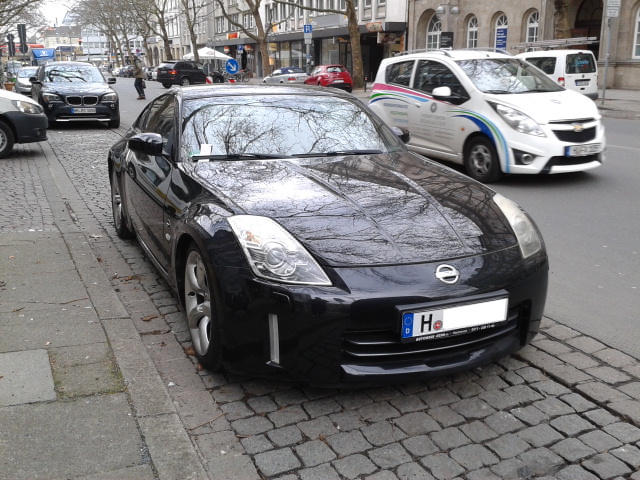
- Layout
- Two seats · rear-wheel drive
- Engine
- 3.5-liter naturally aspirated V6
- 2007–09 HR output
- 306 hp / 268 lb-ft
- Transmissions
- 6-speed manual or 5-speed automatic
The 350Z makes a good case for keeping things simple. You get a compact sports-car shape, a V6 that responds without waiting for a turbo, and a cabin built around two people. It is an appealing alternative if a newer 370Z stretches the budget, but the cheapest advertised car is rarely the best starting point.
Think about how you will use it before choosing a trim. A weekend car can tolerate a noisy cabin or a firm suspension more easily than a commuter. Sit in the actual car, try the seat adjustment and check whether your usual bags fit around the rear cargo brace.
Early cars versus the later HR version
The 2007 model year introduced the VQ35HR engine, rated at 306 horsepower and 268 lb-ft in U.S. specification. Earlier Z33s use versions of the VQ35DE; output and hardware vary by year and transmission. Our filters separate the early years from the HR period so you can shop that distinction deliberately.
The coupe ended after 2008; the 350Z Roadster continued for 2009. Do not assume a 2009 search should contain coupes. The late car offers a six-speed manual or five-speed automatic, while the NISMO coupe is manual-only.
Trim names matter less than the right example
A Touring badge is useful if comfort equipment matters, but verify the equipment on the individual car. Nissan listed Brembo brakes on 2008 Grand Touring models; the NISMO also adds chassis and aerodynamic changes. Wheels and bumpers can be swapped, so appearance alone does not prove a factory special edition.
For a street car, start with history, tires and an independent inspection. Leave room in the budget for age-related maintenance rather than spending everything on a trim badge. These cars are old enough that rubber parts, fluids and previous repairs deserve as much attention as mileage.
What to check before buying
Ask for a cold start and a fully warmed test drive. Have a specialist check fluid leaks, oil level, cooling-system condition and evidence of accident repair. A seller who can explain the maintenance and modifications is easier to assess than one who only talks about horsepower.
- Check every manual gear under normal driving and listen for grinding or drivetrain clunks.
- Inspect the underside for scraping, suspension damage and signs of drift use.
- Check tire age, matching tires and uneven wear.
- On a Roadster, operate the roof completely and inspect seals and the cabin for water damage.
Who will enjoy it?
The Z suits someone who values a dedicated two-seat car over back-seat practicality. A clean automatic can make sense for cruising and traffic; the manual is the more involved choice. If you need rear seats, compare it with a Mustang or a hot hatch before committing.
Sources
RevFinder verdict
RevFinder pick: an honest, largely stock car with documented servicing. Choose the later HR version if that is your priority, but do not pass up a better-maintained early example just to buy a newer badge.
This guide is educational, not a substitute for a vehicle-history report or an independent pre-purchase inspection. Specifications can vary by year, trim and market.