Five ways to have fun Enthusiast cars under $20,000 · Budget shortlist
Five enthusiast cars to shop under $20,000
A roadster, a rear-drive coupe, a practical Si, a turbo hatch, and a V6 sports car. Five different starting points for a realistic used-car search.
5 min read · Updated 2026-10-20
- Price basis
- Advertised asking price
- Checked
- October 20, 2026
- Search example
- 500 miles from 31907
- Mileage ceiling
- 100,000 miles
A $20,000 budget gives you more than one way into an enthusiast car. The useful question is not which one wins a universal ranking. It is which kind of driving you want, how much practicality you need, and how much maintenance money remains after the purchase.
This is an editorial shortlist, not a ranking by reliability or a guarantee of five cars available nearby today. We checked RevFinder's model searches on October 20, 2026 using asking prices up to $20,000, mileage up to 100,000, and a 500-mile radius around Columbus, Georgia. Inventory changes. The search buttons preserve each model's relevant years and the $20,000 cap.
Taxes, registration, dealer fees, insurance, inspection, and immediate repairs are outside that asking-price cap. If $20,000 is your entire cash budget, lower the vehicle price limit and leave a reserve. A suspiciously cheap, damaged, or heavily modified example is not a good reason to stretch for a model.
1. Mazda MX-5 Miata NC — the roadster choice
Shop the 2006–2015 generation if you want a small, two-seat roadster rather than extra seats or a big power figure. Its appeal is the open-air experience and a car you can enjoy on ordinary roads. Test the seating position and highway noise before deciding it is your only car.
Inspect the roof and seals, check for water entry and corrosion, and ask for cooling-system and fluid-service records. Verify that any folding hardtop operates properly if fitted. A convertible needs a body and roof inspection as much as an engine inspection.
2. Subaru BRZ first generation — the coupe choice
The 2013–2020 BRZ is worth considering if you want rear-wheel drive with a fixed roof. Treat the rear seats as something to test, not a promise of family-car practicality. It suits shoppers who want to learn the car's responses without making peak horsepower the whole purchase.
Look closely at tire wear, suspension alterations, oil leaks, and the underside. Ask about track use, engine software, and VIN-specific recalls. A later year is not a substitute for service records, and a tidy photo does not establish mechanical health.
3. Honda Civic Si ninth generation — the everyday manual
The 2012–2015 Civic Si gives you a manual-focused option with coupe or sedan body choices. The sedan is a useful starting point if you need rear doors, while the coupe keeps a different look without moving to a two-seater.
Confirm it is actually an Si, not a regular Civic with badges. Test every gear at normal speeds, check clutch behavior, and request evidence for modifications and servicing. Choose the body style around the passengers you carry, then shop condition within that choice.
4. Ford Focus ST — the practical turbo hatch
The U.S. 2013–2018 Focus ST is a manual-only hatchback. It is a useful candidate when you want cargo access and rear doors alongside a more involving drive. Sit in the actual seats; optional sport seats will not fit every driver comfortably.
Ask for the tune and modification history in writing. Have a specialist investigate rough idle, warning lights, leaks, or clutch issues. A louder intake and exhaust do not tell you whether the previous owner paid attention to maintenance.
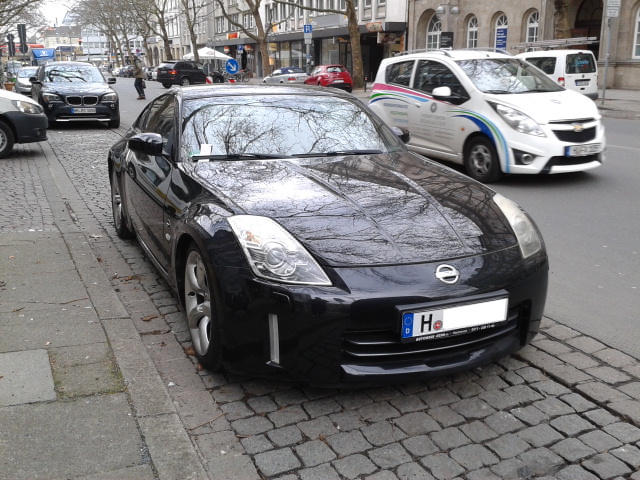
5. Nissan 350Z — the two-seat V6 alternative
The 2003–2009 350Z offers rear-wheel drive, two seats, and V6 character. Early cars and the later HR-engine years should be compared separately; the 2009 model is a Roadster, not a continued coupe. This is a more focused practicality tradeoff than the Civic or Focus.
Buy carefully around modifications, drift use, wheel damage, and gearbox behavior. Check oil level and service history and get a proper underside inspection. The best value may be a more expensive stock example rather than a cheap project that needs tires, suspension work, and engine diagnosis.
How to turn the shortlist into a purchase
All five model queries returned provider matches within the tested price and mileage limits, but sampled update dates were old enough to trigger freshness warnings. That supports a shopping shortlist, not a claim that any particular vehicle is still for sale. Confirm the current asking price and availability with the seller, and review accident history separately.
Choose your non-negotiables first: rear doors, roof type, manual or automatic, insurance cost, and a sensible repair reserve. Then open two or three searches and compare actual listings. Empty results mean there may be no match for those filters and that area today; widen the radius or revisit later without assuming every cheap car is worth pursuing.
Request the VIN, history report, seller's full fee breakdown, and an independent inspection before traveling far or leaving a deposit. These picks are starting points for research. Your final decision should be about the individual vehicle, not a top-five label.
Sources
RevFinder verdict
Choose the job before the badge: Miata for a roadster, BRZ for a rear-drive coupe, Civic Si for a manual daily, Focus ST for hatchback utility, or 350Z for a two-seat V6. Preserve money for the first year of ownership.
This guide is educational, not a substitute for a vehicle-history report or an independent pre-purchase inspection. Specifications can vary by year, trim and market.